Spring is one of the best times to take a good look at your home’s electrical system. After months of heavy winter use, your wiring, outlets, and panel have been working hard. Electrical problems account for about 13% of all house fires in the U.S. and cause roughly $1.3 billion in property damage every year, and most of those problems are preventable.
Here are seven key electrical inspections every Illinois homeowner should do this spring.
At a Glance
- Winter puts serious strain on your home’s electrical system.
- A few simple checks you can do yourself; others need a licensed electrician.
- Illinois has its own smoke detector law with specific requirements homeowners need to know.
- Surge protection is especially important heading into the Chicago-area storm season.
- A professional electrical inspection once a year is one of the smartest investments you can make for your home.
Stay Safe with These 7 Easy Electrical Checks
1. Start With Your Electrical Panel
Your electrical panel is the backbone of your home’s electrical system, so it’s the right place to start. Open the panel and look for corrosion, scorch marks, or signs of moisture. A burning odor near your panel is never normal.
Breakers that trip frequently, feel warm to the touch, or make buzzing sounds are all red flags. If your home is more than 20 years old or you’ve recently added appliances, an EV charger, or a home office setup, your panel may be working harder than it was designed to.
When to call a pro: A licensed electrician can test your breakers, check your load capacity, and tell you if a panel upgrade is in order.
How often should I have my electrical panel inspected?
Most electricians recommend every 3–5 years for average homes, and annually if your home is older or you’ve made significant upgrades.
2. Test Your GFCI and AFCI Outlets
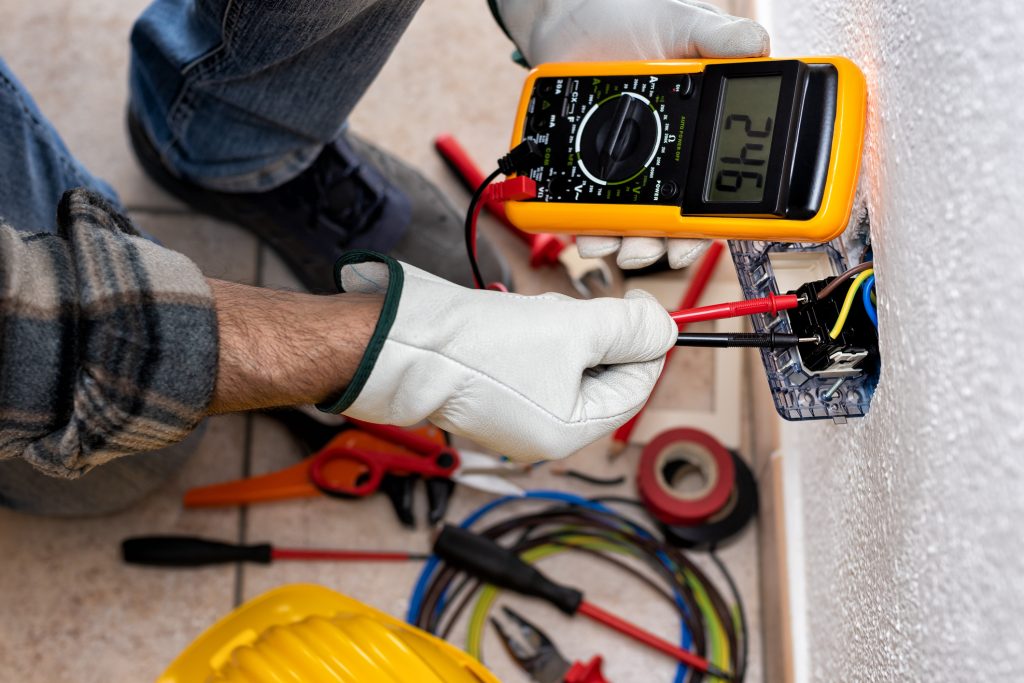
GFCI (Ground Fault Circuit Interrupter) outlets protect you from electric shock. They’re the ones with “TEST” and “RESET” buttons found in bathrooms, kitchens, garages, and outdoor areas. AFCI (Arc Fault Circuit Interrupter) breakers protect against electrical fires caused by dangerous arcing inside your walls; the kind of hazard you can’t see until it’s too late.
How to Test GFCI and AFCI Outlets
To test a GFCI, press the “TEST” button, and the outlet should go dead. Press “RESET” to restore power. If it won’t reset or trips repeatedly, replace it. For AFCIs, check your breaker panel for any that have tripped or won’t reset.
3. Inspect Outlets, Switches, and Visible Wiring
Go room to room and look for outlets or switch plates that are discolored, cracked, or warm to the touch. Between holiday lights, electric blankets, and space heaters, it’s easy for excessive outlet use to result in damage over the course of a single winter. Any outlet that sparks when you plug something in deserves immediate attention.
Check visible wiring in unfinished basements, garages, and utility areas. Frayed insulation, exposed wires, or signs of pest damage are immediate concerns. Older homes in the Chicago suburbs may still have aluminum wiring or knob-and-tube systems that weren’t built for today’s electrical loads. Wiring repairs should always go through a licensed professional.
What does it mean if my outlet feels warm?
It usually points to a loose connection, an overloaded circuit, or deteriorating wiring. All of these can become fire hazards, so get an electrician to take a look.
4. Check Your Outdoor Electrical Components
Spring means your outdoor electrical components are about to get a lot more use. Before the season kicks into gear, look for cracked or missing weatherproof covers on exterior outlets and confirm all outdoor outlets have GFCI protection. Check outdoor lighting for moisture damage or corroded sockets, and inspect exterior wiring for weather or pest damage.
If you’re planning to add outdoor lighting, a patio outlet, or a dedicated circuit for a hot tub this season, get it scheduled now before summer demand picks up.
5. Test Your Smoke Detectors and Know Illinois Law
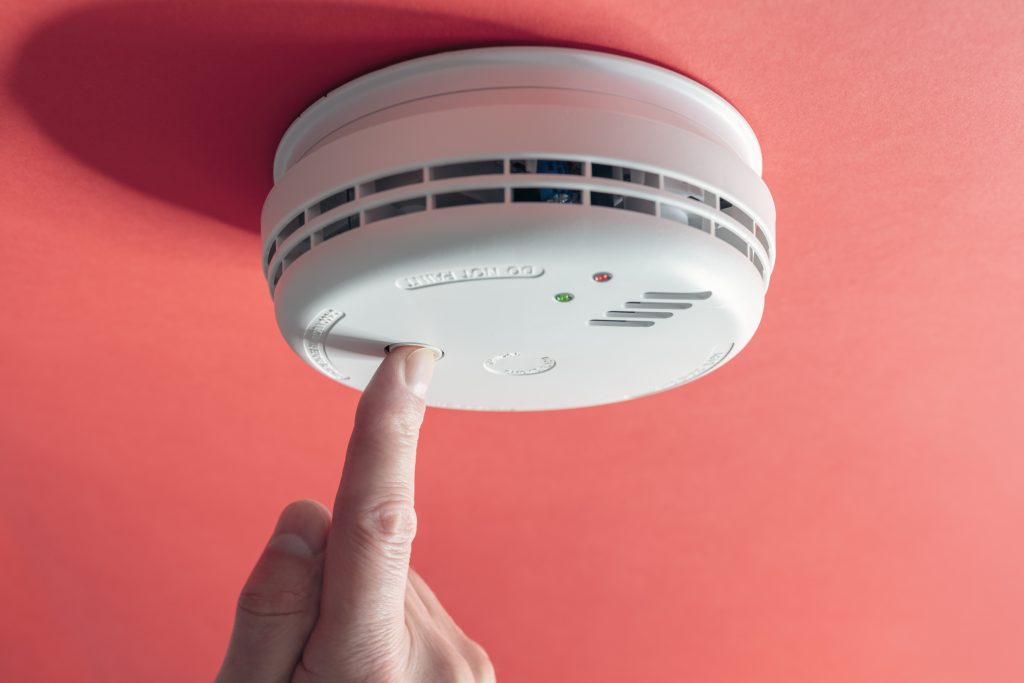
Spring is the traditional time to test smoke detectors, but in Illinois, there’s more to it than pressing a button.
As of January 1, 2023, any smoke alarm being replaced in Illinois must use a sealed, non-removable 10-year battery. Any detector more than 10 years old or that fails an operability test must be replaced right away. Non-compliance is a Class B misdemeanor under Illinois law.
Test every detector, check the manufacturer’s date on the back, and replace any unit that’s 10 years or older. Illinois also requires at least one smoke detector on every floor, including unfinished basements, and within 15 feet of each bedroom. Not sure if your home is up to code? Our team can help.
6. Consider Whole-Home Surge Protection
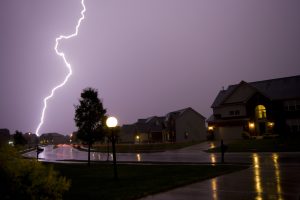
Spring storm season is right around the corner, and a single power surge from lightning or a grid fluctuation can damage appliances, HVAC systems, and electronics in seconds. A whole-home surge protector installs at your electrical panel and protects your entire house in a way that individual power strips can’t.
Do I still need surge protection if I have power strips with built-in surge protection?
Power strips protect individual devices, but they don’t cover your appliances, HVAC, or anything hardwired. A whole-home surge protector and power strips work together; one doesn’t replace the other.
7. Schedule a Professional Electrical Inspection
The first six items on this list are things you can partially check yourself. This last one isn’t. A professional electrical inspection goes much deeper, inside walls, at junction boxes, and through your entire circuit load, to find hazards that aren’t visible to the naked eye.
Licensed electricians use tools like thermal imaging to detect hot spots, check grounding and bonding, evaluate whether your circuits can handle current and future loads, and confirm your home is up to code. It’s the kind of comprehensive picture you can’t get from a visual walk-through alone.
Annual inspections are especially important for older homes in the Chicago suburbs, homes that have undergone renovations, and homes where new technology like an EV charger or solar panels has been added to the electrical system.
Keep Your Home Safe This Spring and Beyond
Spring electrical maintenance doesn’t have to be complicated, but it does need to happen. A few hours of attention now, like testing outlets, checking your panel, updating smoke detectors, and scheduling a professional inspection, can prevent the kind of problems that turn into emergencies.
Illinois homeowners have a particular reason to stay on top of this. Between the state’s updated smoke detector law, the transition to statewide electrical codes, and the North Shore’s storm season ramping up, there’s no better time than right now to make sure your home’s electrical system is in solid shape.
FAQs: Spring Electrical Maintenance
Q: How do I know if my home’s wiring is outdated?
A: Flickering lights, frequently tripped breakers, and warm outlets are common signs. But older systems like knob-and-tube or aluminum wiring often don’t show symptoms until there’s a real problem. If your home is more than 40 years old and hasn’t had an inspection recently, schedule one
Q: Can I do my own spring electrical inspection?
A: You can handle the basics: testing GFCI outlets, checking smoke detectors, and visually inspecting outlets and switches. Anything involving the panel, wiring inside walls, or circuit load evaluation needs a licensed electrician.
Q: How long does a professional home electrical inspection take?
A: Most homes take about 1–2 hours. It’s a small time investment for the peace of mind it brings.
Schedule Your Spring Electrical Inspection in the Chicago Suburbs
The Nu-Trend team serves homeowners across Schaumburg, Elk Grove Village, Barrington, Buffalo Grove, Naperville, Palatine, Northbrook, and the surrounding North Chicago suburbs.
Our licensed electricians have 15+ years of experience and can handle everything from a seasonal inspection to a full panel upgrade. Give us a call at 847-780-1890 or contact us online to get your spring check-up scheduled today.